Between January and April 2026, France bought 5,063 tonnes of gum arabic from Chad, 260% more than a year earlier, and 4,241 tonnes from Sudan, a third less. Chad thus became France's leading supplier, in one of the main gum processing countries.
That shift says everything about this market. Before the war broke out in April 2023, Sudan supplied 70 to 80% of the world's gum arabic. By February 2026, the great gum market of El Obeid, in Kordofan, had nearly stopped. Here is what gum is worth today, where it comes from, and how to buy it without funding a conflict.
What gum arabic is
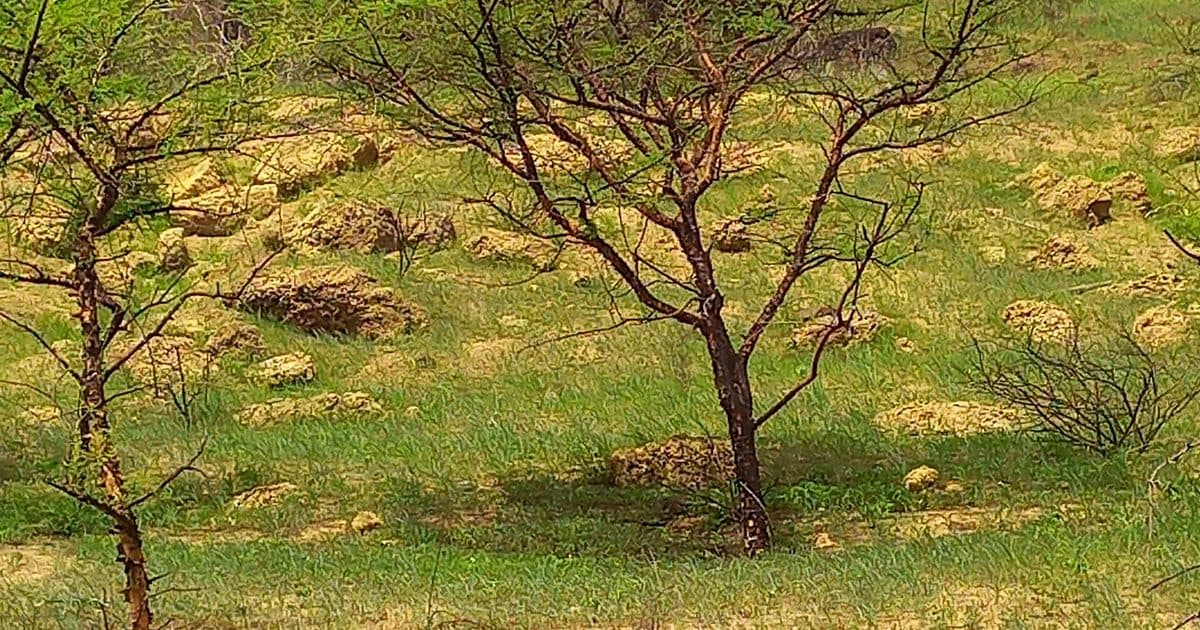
Gum arabic is the hardened sap of two Sahelian acacias. The trade distinguishes them by their Sudanese names:
- hashab, from Acacia senegal, the most sought after gum, pale and highly soluble;
- talha, from Acacia seyal, cheaper and more brittle.
It is everywhere without being seen: under the code E414 it stabilises soft drinks, coats confectionery, binds tablets and goes into cosmetics. According to Al Jazeera, world production is around 120,000 tonnes a year, worth about US$1.1 billion.
Prices in 2026
There is no public quotation for gum arabic as there is for coffee or cocoa. Prices are negotiated privately, according to species, cleanliness and grade.
| Benchmark | Price |
|---|---|
| Chad exports, transactions recorded in July 2026 | US$0.74 to 1.29 per kilo |
| Sudan exports, transactions recorded in 2026 | US$1.26 to 1.30 per kilo |
These unit prices are recorded by the Tridge platform from export customs data, with no published split between grades. Clean, sorted hashab sells for more than talha, and gum processed into powder for much more.
Where gum comes from outside Sudan
- Chad has become the main alternative. Its exports were projected at 61,600 tonnes in 2025, up from 57,000 tonnes in 2024. It already supplied 16% of US imports in early 2025, with sales to the United States up 81% over the first five months of the year.
- Nigeria, the world's third producer, exports both hashab and talha.
- Senegal, Mali, Niger and Cameroon also produce Acacia senegal and Acacia seyal gum, in smaller quantities.
The risk is origin. As early as March 2025, the trade press reported traders from countries that used to export little gum, such as Chad or Senegal, offering cheap gum with no proof it came from a conflict free area. In January 2026, Al Jazeera showed that Sudanese gum was also leaving through smuggling and funding the Rapid Support Forces. A cut price Chadian gum may well be Sudanese gum that crossed the border.
How to buy gum arabic
- Define species and quality: hashab or talha, cleanliness, impurity level, grade, raw, kibbled or powder.
- Demand proof of origin: harvest area, cooperatives or collectors, inland transport documents, certificate of origin issued by the exporting State.
- Have it tested: food grade gum must meet the E414 specifications, set in the European Union by Regulation (EU) No 231/2012.
- Have it inspected before shipment: weight, quality, and consistency between the declared origin and the goods.
- Pay against documents, by letter of credit, rather than in advance to an intermediary.
Our view
The war in Sudan has turned gum arabic into a test for buyers. Those who buy at the lowest price without asking questions risk funding a conflict and seeing their goods held the day a customer or a regulator asks where they came from. Those who pay for traceability build lasting supply chains in Chad, Nigeria or Senegal.
For West and Central Africa, it is a rare opening. A world market worth more than a billion dollars is looking for new origins, and it is willing to pay for proof.
Frequently asked questions
What is the price of gum arabic per ton?
Export transactions recorded in 2026 range from about US$740 to US$1,300 per tonne for raw gum from Chad and Sudan. Sorted hashab and processed gum sell for more.
Where are the main gum arabic suppliers?
Sudan, Chad and Nigeria are the three largest producers. Senegal, Mali, Niger and Cameroon also produce it.
What is the difference between hashab and talha?
Hashab comes from Acacia senegal: it is the highest quality and most expensive gum. Talha comes from Acacia seyal: it is cheaper and more brittle.
How can I tell if gum arabic comes from Sudan?
You cannot see it. You need documentary proof of the harvest area and the collection chain, and independent inspection before shipment.
What is E414?
It is the code for gum arabic as a food additive in the European Union, with purity specifications set by Regulation (EU) No 231/2012.
What we do
GraceRoad looks for gum arabic suppliers in Senegal, Mali, Niger, Nigeria, Chad and Cameroon on mandate, for a fixed sourcing fee agreed upfront. We check the exporter and the harvest area, have every lot inspected and organise the shipment.
Read next: sourcing agent in Africa: what they do and what they cost and commodity trading scams: red flags.
Sources: Agence Ecofin, 22 June 2026, on French purchases of Chadian and Sudanese gum from January to April 2026; Al Jazeera, "How is gum arabic fuelling the war in Sudan?", 6 January 2026; Dabanga, via allAfrica, 24 February 2026, on the El Obeid market; EcoMatin, projection of Chadian exports for 2025; Financial Afrik, 17 July 2025, and Agence Ecofin, on Chadian sales to the United States; Foodcom, 5 March 2025, on offers without proof of origin; Tridge, unit prices of Chadian and Sudanese exports in 2026; Commission Regulation (EU) No 231/2012, specifications for E414.