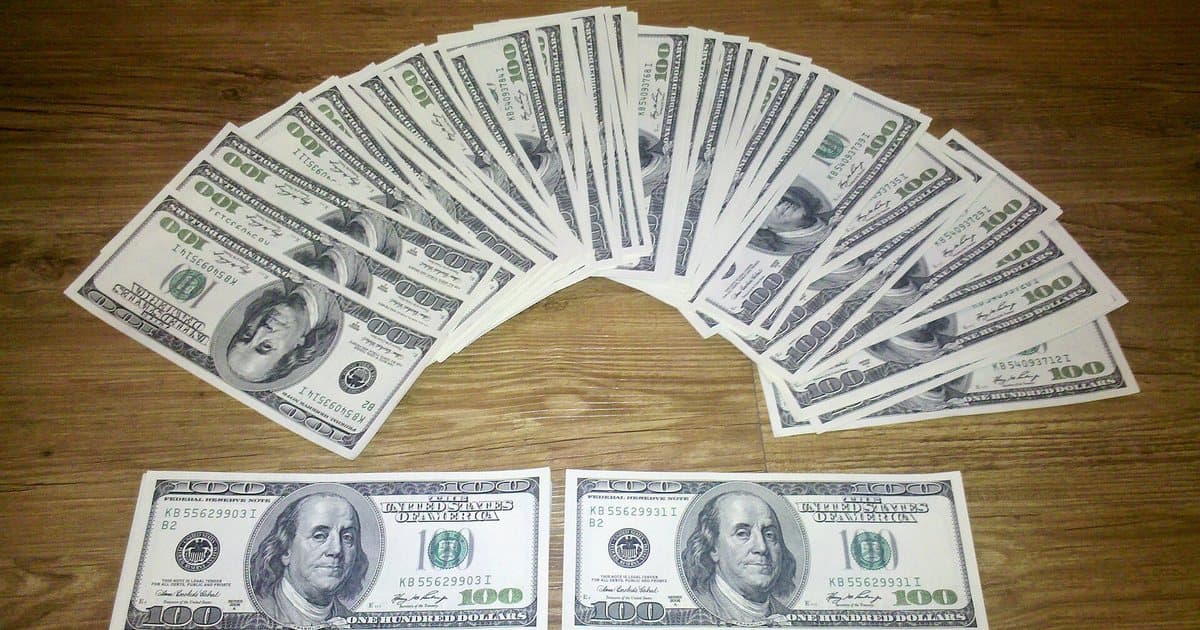
In Malawi, in mid-October 2026, motorists were sleeping at petrol stations. The country burns about one million litres of petrol and one million litres of diesel a day, more than 700 million litres a year, and imports all of it. The fuel exists on the world market. What is missing is the dollars to pay for it: the chief executive of the national oil company, NOCMA, told parliamentary committees so, and an IMF report had already noted that international banks had stopped confirming the country's letters of credit for fuel imports.
Malawi is not an isolated case. Wherever hard currency runs short, the same chain breaks at the same link: the bank. Here is how it breaks, what has already worked elsewhere, and how a buyer can still pay and get delivered.
Take action
- Work out a payment solution for your fuel: write to us on WhatsApp.
- See our fuel offer and our payment terms.
How a dollar shortage blocks fuel
Fuel is sold in dollars. An importer pays its supplier through a documentary credit: its bank undertakes to pay against the cargo documents. But a foreign supplier will often accept that undertaking only if it is confirmed by an international bank it knows.
When a country runs short of hard currency, the confirming bank fears it will never be repaid in dollars. It stops confirming. The supplier then asks for prepayment, which the importer cannot make for lack of dollars. The cargo does not sail.
In Malawi, the root cause is known: according to the Tobacco Commission, quoted by Forbes Africa, earnings from tobacco, about 15 % of GDP, fell from 500.4 million dollars in the first 19 weeks of 2025 to 282.5 million over the same period of 2026, as the average price dropped from 2.54 to 1.98 dollars a kilo. Fewer exports, fewer dollars, less fuel. And without fuel, it is the trucks, farms and mines that slow down, the very ones that earn dollars.
What has already worked
Long credit negotiated government to government: Kenya. In March 2023 Kenya signed supply agreements with three Gulf companies, Aramco Trading, ADNOC Global Trading and ENOC, on 180-day credit. Importers used to have to find their dollars within days; they now pay in shillings to local banks, backed by 180-day letters of credit. According to the Kenyan press, 158 cargoes arrived this way between April 2023 and May 2025, and the energy minister was still saying in September 2026 that the scheme had eased the dollar shortage. It has its critics: an audit found extra costs for consumers, and the premiums were renegotiated.
African trade banks: Afreximbank. In April 2025 Afreximbank launched a 3 billion dollar revolving programme to finance purchases of refined fuel between African countries: petrol, diesel, heavy fuel oil, jet fuel, kerosene. It targets traders, banks, governments and state importers, and the bank expects it to support 10 to 14 billion dollars of intra-African petroleum trade. In Malawi, NOCMA said in June 2026 it was finalising a 120 million dollar revolving facility with Afreximbank to rebuild its reserves.
Islamic trade finance: ITFC. The International Islamic Trade Finance Corporation finances energy imports through murabaha: the bank buys the product and resells it to the importer at a margin, payable later. It signed a 90 million dollar facility with Djibouti in October 2025 for refined petroleum products, under a 600 million three-year framework, and a 513 million facility with Pakistan in July 2025.
Paying in local currency: PAPSS. The Pan-African Payment and Settlement System, for which Afreximbank acts as settlement agent, lets a purchase between two African countries be settled in local currencies, with central banks netting between themselves. It linked 28 to 30 countries in the second half of 2026; the Bank of Central African States joined in July 2026 and the Central Bank of West African States was in a pilot phase. Its limit: it assumes reasonably deep foreign exchange markets, which many countries are still building.
Credit insurance: ATI. The African Trade and Investment Development Insurance agency covers non-payment and political risks. In 2011, for example, it insured a facility set up by an African multilateral bank to help Zambia import fuel. An insured supplier is more willing to wait for payment.
Seven ways to still pay and get delivered
- Pay from where the dollars are. A mine, or an exporter of tobacco, tea or cashew, earns its sales in dollars, often outside the country. It can pay for its fuel directly from that account, without going through the central bank. This is the simplest and fastest solution.
- Back fuel with exports. An exporter that needs fuel to produce can pay part of its deliveries out of future earnings, paid into an escrow account the supplier can monitor.
- Have the documentary credit confirmed by an African bank. When European banks stop confirming, a regional bank with lines from Afreximbank, TDB or another lender can do it.
- Insure the risk. A credit insurance policy, from ATI for example, makes acceptable a deferred payment that was not.
- Split the purchases. When dollars arrive drop by drop, road tanker deliveries paid lot by lot are better than a 2,000 tonne cargo paid in one go.
- Use an escrow account. The buyer deposits the funds with a third party; they are released to the supplier against the delivery documents. Both sides are protected.
- Use public mechanisms when you are a state importer: an Afreximbank facility, ITFC murabaha, a government-to-government agreement with long credit.
Our view
A dollar shortage is not a fuel problem. It is an export problem, and it is fixed at the source: a country that sells more, processes more of what it produces and ring-fences the currency its energy needs does not queue at the pump. Meanwhile, the answer is rarely to wait for the central bank to reopen the taps. It is to bring fuel closer to those who earn dollars, and to build structures in which every party sees its risk covered.
Frequently asked questions
Why does a dollar shortage cause a fuel shortage?
Because fuel is bought in dollars. When a country runs short of hard currency, foreign banks stop confirming its documentary credits, suppliers demand prepayment, and cargoes stop sailing.
What is a confirmed letter of credit?
A documentary credit to which a second bank, usually in a safe country, adds its own undertaking to pay. The supplier is then paid even if the buyer's bank cannot transfer the dollars.
How can fuel be imported without dollars?
By paying from a foreign currency account abroad, backing purchases with export earnings, having the credit confirmed by a regional bank, splitting purchases, or through public mechanisms such as those of Afreximbank, ITFC or a government-to-government agreement with long credit.
What is PAPSS?
The Pan-African Payment and Settlement System, which lets trade between African countries be settled in local currencies, with Afreximbank as settlement agent.
What we do
GRACECORP AMD GROUP supplies diesel, gasoline, Jet A-1, CST 180 fuel oil and bitumen. We accept payment by documentary credit or 50 % with the order; for cash and carry collection at the depot, we ask for a purchase order and proof of funds. For a buyer earning its revenue in dollars outside its country, such as a mine or an exporter, paying from abroad keeps supply clear of the currency shortage. In West Africa we deliver by road tanker; elsewhere in Africa, by ship to your port, from 2,000 tonnes.
Tell us about your situation on WhatsApp or see our fuel offer.
Read next: payment terms in commodity trading: LC and SBLC and fuel shortages in Africa: causes and solutions.
Sources: allAfrica, 1 October 2026 (Malawi consumption, one million litres of petrol and one million of diesel a day) and 5 October 2026, from Nyasa Times (NOCMA chief executive's statements to parliamentary committees; IMF report on international banks no longer confirming letters of credit); Forbes Africa, 23 October 2026 (queues, tobacco earnings according to the Tobacco Commission, analysts' proposals); Business Daily Africa and Capital FM (Kenya's agreements with Aramco Trading, ADNOC Global Trading and ENOC, 158 cargoes from April 2023 to May 2025, energy minister's statements in September 2026, audit and renegotiated premiums); Engineering News, 29 April 2025 (Afreximbank 3 billion dollar programme); Business Malawi, June 2026 (NOCMA and Afreximbank 120 million dollar facility); Arab News, July and October 2025 (ITFC facilities for Pakistan and Djibouti); Ecofin Agency and TechEconomy, July to October 2026 (PAPSS, BEAC membership, BCEAO pilot); ATI, statement on insuring a fuel import facility for Zambia (2011).