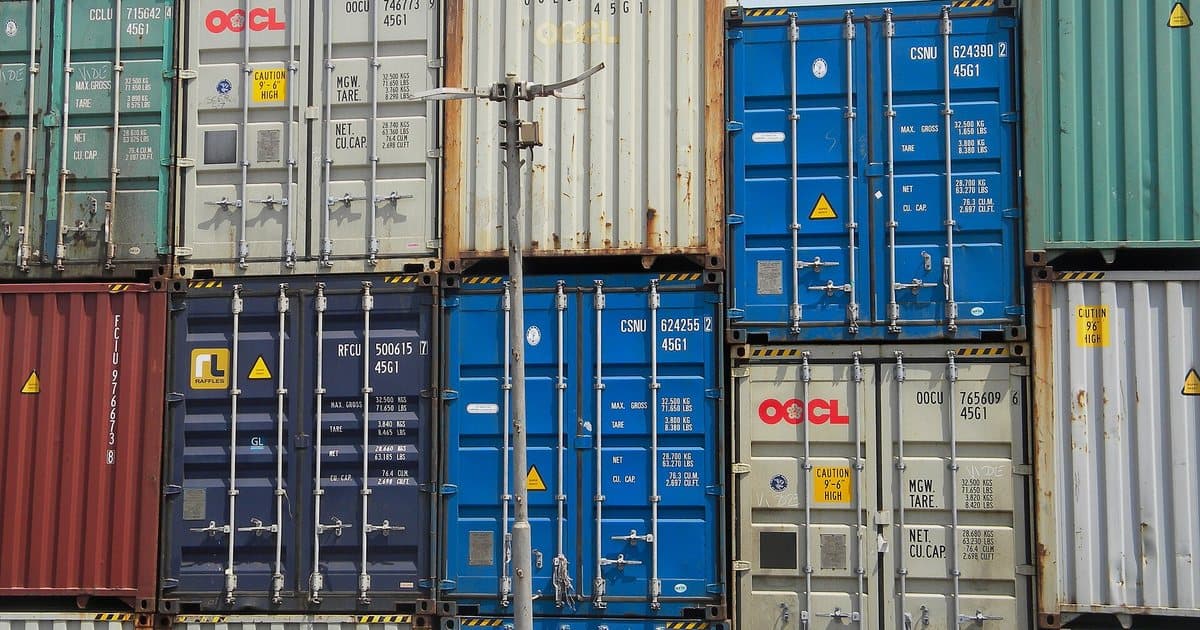
A container that waits costs money, and it costs it to several people at once. The shipping line charges because its box is idle; the terminal charges because the box occupies its yard. Three words cover these costs: demurrage, detention and storage. Mixing them up means getting wrong who to pay, and how to avoid the bill.
The three definitions
Demurrage is charged by the shipping line when a full container stays at the port terminal beyond the free period, called free time. The word originally also referred to compensation owed to a shipowner when loading or discharging a chartered vessel takes longer than agreed.
Detention is charged by the shipping line when its container has left the terminal and is not returned empty within the free time. It runs while the container is at your premises, on the road or waiting to be unpacked.
Storage is charged by the terminal operator, not the shipping line, for cargo or containers occupying its yard beyond the storage free period. In Dakar the container terminal is operated by DP World, which handled its ten millionth container there in 2026.
The same container can therefore generate demurrage and storage at the same time if it stays in port, then detention once it has left.
A real tariff in Dakar
Carriers publish their free time and rates. As an example, Maersk announced in August 2021 for Senegal:
| Delivery place | Detention free time |
|---|---|
| Dakar | 4 days |
| Thiès | 5 days |
| Other Senegalese towns (Kaolack, Saint-Louis, Ziguinchor, Tambacounda and others) | 8 days |
| In transit to Mali, the Gambia or Guinea | 23 days |
After free time, the announced tariff was 15,000 CFA francs a day for a 20 foot container and 25,000 for a 40 foot, standard or high cube, or a special container. Each carrier has its own tariff, and tariffs change: always check the one in force when you book.
The calculation
Take a 40 foot container delivered in Dakar and returned empty after 12 days. With 4 days of free time, 8 days are charged: 8 × 25,000 = 200,000 CFA francs of detention for that one container.
For ten 40 foot containers held up an extra week by a missing document, the bill quickly passes one and a half million CFA francs, before any storage if the containers stayed in port.
Why the bill grows
- Documents arrive late: original bill of lading, pre-import declaration, certificate of origin, invoices.
- Clearance drags: disputed value, contested classification, duties not yet paid.
- Trucks are short when the container is released.
- The consignee is not ready to unpack.
- Transit is long: a container that goes to Mali and comes back empty to Dakar takes weeks, hence the longer free time, which is often not enough.
How to avoid it
Negotiate free time at booking. Carriers offer extended free time, paid for or included depending on volume. It costs less than detention suffered.
Prepare documents before the vessel arrives. A complete file on the day of discharge means a declaration filed without delay.
Book trucks in advance, to collect the container as soon as it is released.
Unpack at the port when it is cheaper. For inland destinations, and especially Mali, taking the cargo out of the container in Dakar and loading it onto a truck avoids weeks of detention. We ran the numbers in our article on devanning in Dakar or sending the container to Bamako.
Return the empty without delay, to the depot named by the carrier, and keep the return receipt.
Our reading
Demurrage and detention are not costs: they are penalties for poor organisation. They reward nobody, and they are paid at full price because they fall when there is no longer a choice. An importer who negotiates free time, prepares papers and books trucks before the vessel arrives almost never pays them.
Frequently asked questions
What is the difference between demurrage and detention?
Demurrage is due when a full container stays in port beyond free time; detention when it has left the port and is not returned empty on time. Both are charged by the shipping line.
What are storage charges at the port of Dakar?
The rent charged by the terminal operator, DP World for containers in Dakar, for occupying its yard beyond the storage free period.
How many free days does a container get in Dakar?
It depends on the carrier and the contract. In 2021 Maersk announced 4 days of detention free time for delivery in Dakar, and 23 days for a container in transit to Mali, the Gambia or Guinea.
How do you avoid demurrage charges?
By negotiating extended free time at booking, preparing clearance documents before the vessel arrives, booking trucks in advance and returning the empty container without delay.
What we do
GraceRoad prepares clearance before the vessel arrives, books trucks in advance and compares unpacking at the port with sending the container to destination. Send us your arrival dates and number of containers: we will price the cheapest scenario.
Read next: Dakar port is not a warehouse and bill of lading meaning.
Sources: Maersk, notice of 26 August 2021, "Import Detention Update into Senegal" (free time by location in Senegal, transit to Mali, the Gambia and Guinea, tariffs after free time); DP World, April 2026 statement on its ten millionth container handled in Dakar; CMA CGM, general conditions for extended destination free time (June 2024).