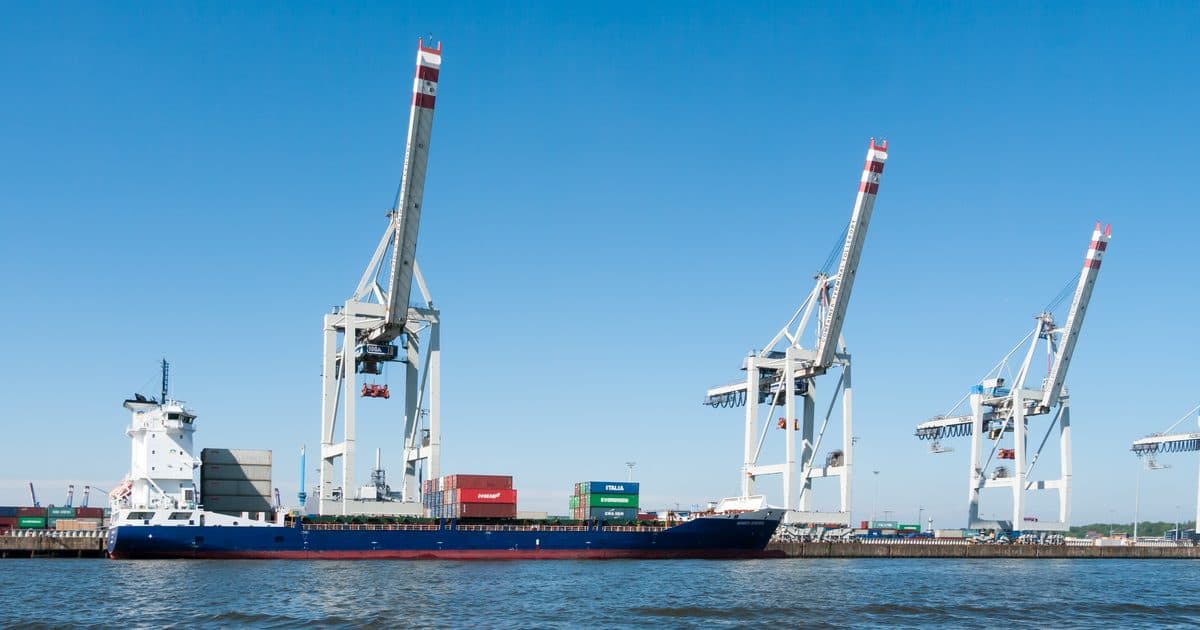
A port is a machine for moving boxes from a ship to a road. The moment a box stops moving, the machine is being used as a warehouse, and it is the worst warehouse in the country: the most expensive land, the tightest security rules, the least flexible access hours.
Dakar spends much of the year in that state. Vessel waiting time has hovered around four to four and a half days through late 2025 and into 2026. Freight forwarders have been describing quays taken over by empty containers, leaving too little room for trucks to work. Across African ports, import dwell time ran between three and nine days in the third quarter of 2025.
Nothing about those numbers is inevitable. Most of the cargo that sits in a port yard is sitting there for reasons that have nothing to do with the port.
Why boxes stay
The free period runs out before the paperwork arrives. Importers in the DP World areas of the port have ten days of free time to clear and remove goods. Ten days is generous if the file is ready on arrival and short if the invoice is wrong, the certificate of origin is missing, or the duty has not been provisioned.
Money is being played for time. Duty has to be paid to release the cargo. When cash is tight, the importer leaves the container in the yard and pays storage, which feels smaller each day than the duty that is due once.
Nobody has decided where the goods are going. Traders who sell from the box keep it at the port because the port is central, until storage quietly costs more than the margin on the goods.
The empties have nowhere to go. Boxes that cannot be repositioned inland come back to the quay and stay there, taking space from cargo that is trying to move.
What it costs, in the order it hurts
The storage bill, which is visible and which everybody complains about.
The demurrage on the shipping line's equipment, which is usually larger than the storage and arrives later.
The vessel delay that congestion feeds back into the schedule, which raises freight for every importer in the country, including the ones who cleared on time.
The truck that queues instead of rolling, which is billed to the next shipper.
The four costs are the same event seen by four different people, and only the first one appears on the importer's invoice.
Where the cargo should be
Every trade lane that works has the same shape. The port handles the ship to gate movement. Inland terminals hold the goods, clear them, and release them to the local market. The port stays empty on purpose.
For Senegal and its landlocked neighbours, that means dry ports with customs presence at Tambacounda, at Kayes, at Bamako, with the transit cleared at destination rather than at the quay. It also means bonded warehousing close to Dakar for importers who genuinely need to hold stock, at a fraction of the cost of holding it on the quay.
This is not a theory. It is how Djibouti feeds Ethiopia, and how Mombasa feeds Nairobi. The equipment is unremarkable: a fenced yard, a weighbridge, a customs office, a scanner, cold storage for what needs it.
What an importer can do this month
Send the documents before the vessel. The commercial invoice, the packing list, the bill of lading, the certificate of origin and any licence should be with your broker while the ship is at sea, not when it berths.
Provision the duty before arrival. If cash flow is the constraint, say so early. Duty prefinancing exists, and it is cheaper than storage plus demurrage.
Ask your broker for the release date, in writing. A date forces a plan. Ten free days with no plan become eighteen paid days.
Clear inland where the regime allows it. For transit cargo to Mali, clearing at destination under the regional transit regime keeps the box moving instead of parking it at the quay.
Return the empty on time. The empty is still the line's property and still on your account.
What we do
GraceCorp is a Senegalese company in Dakar. We handle clearance and haulage from the port to the destination, including transit to Mali and the neighbouring markets, and we tell an importer before the vessel arrives what will be needed on which day for the box to leave the port inside its free period.
Send us the bill of lading, the commodity and the destination. You get the document list, the duty estimate and the date your cargo can realistically be on a truck.
Read next
Shipping a container to Senegal and Mali from abroad, and why the inland leg costs what it costs.