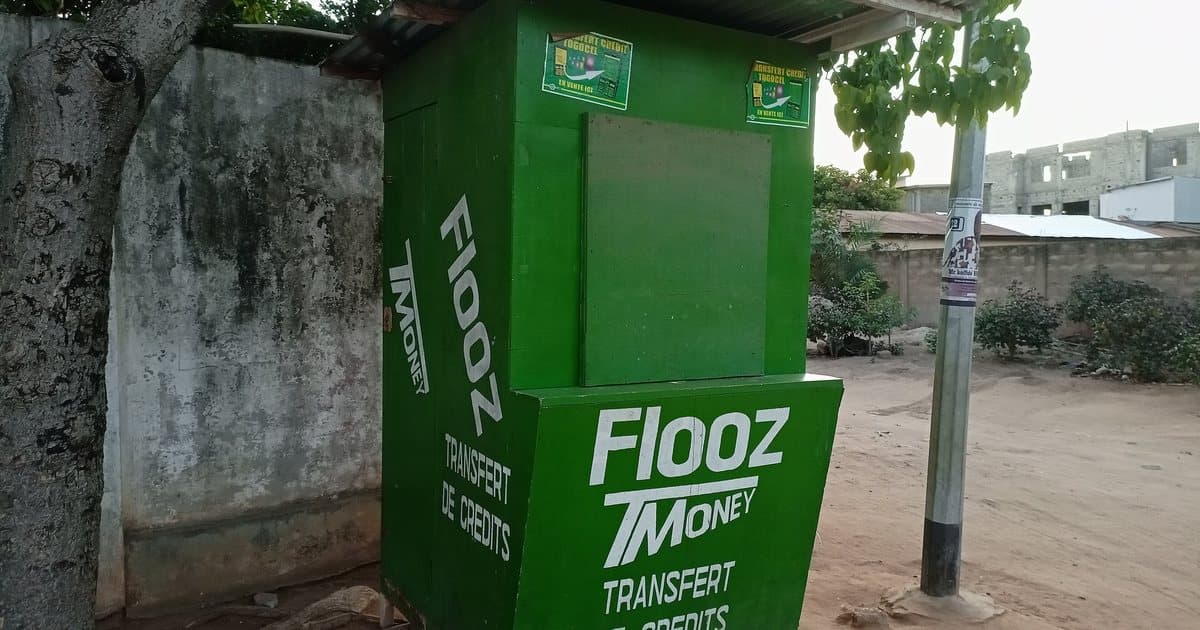
An importer finds a truck through a contact, sends a mobile money deposit to "reserve" the vehicle, and waits. The number stops answering. Or the truck turns up, loads, and the cargo never arrives, because the truck was not the one it claimed to be.
These stories are not rare, and foreign buyers working remotely are the easiest targets. They almost all share one cause: money was paid before anyone knew to whom, and for what.
The most common traps
The middleman who collects. Between the shipper and the truck owner there are often one or two intermediaries. Some are useful. Others take the deposit, do not pay the carrier, and leave the shipper facing a truck that will not move.
The wrong truck. The shipper saw the registration of one vehicle; another one shows up. The plates do not match the papers, or the driver has no link with the company that signed.
The fake company. A name close to a known carrier's, a copied logo, a phone number that is not theirs.
The deposit to reserve. Paying for a truck to "wait for you" before you have even seen it is paying for a promise.
The balance demanded before delivery. The driver calls from the road: money is short for diesel, a crossing, a repair. The balance is sent, and the truck stays where it is.
Pay in the right order
The rule is simple: every payment should match a step that has already been verified.
Before any payment, identify the carrier. Company name, vehicle registration, current insurance, the driver's licence.
The deposit at loading, not before. When the truck is there, its plates match the registration document, the driver is identified and the consignment note is signed. A 30 to 50 percent deposit pays for the trip's diesel: that is normal, and that is when it makes sense.
Payment in the company's name. To a bank account or a mobile money account in the carrier's name, not to a driver's or middleman's personal number. If something goes wrong, you pursue a company, not a first name.
The balance at delivery, against a signed consignment note. The consignee signs, with reservations if any. That signature triggers the balance. Not a phone call, not a photo of the truck outside the gate.
Road costs only if they were agreed. An extra demanded on the way is discussed with the company, with documents, and settled at delivery. We listed the legitimate ones in the costs that appear on the road.
The consignment note is your best protection
The OHADA Uniform Act on road carriage makes the consignment note the evidence of the contract: who carries what, from where, to where. It identifies the carrier that answers for the cargo. Paying without a consignment note is paying for a transport that, legally, does not yet exist.
Keep a record of every payment: transfer receipt, bank advice, confirmation message. And an invoice, for your accounts and your defence, as explained in paying a carrier in cash with no invoice.
Tracking the truck protects your money too
A tracked truck does not vanish. If the driver reports a breakdown in Tambacounda while the signal is in Kaolack, the conversation changes. Real time tracking is not a gadget: it is what lets you pay the balance knowing the cargo has arrived.
What we do
With GraceCorp, you are not paying an unknown truck. You pay GraceCorp, by Orange Money, Wave, card or international bank transfer, and receive an invoice. Our partner carriers are checked document by document before they get a job: registration, insurance, roadworthiness, licence. We pay them according to the stages of the trip. The truck is tracked from loading to delivery, and you can see where it is.
Read next: choosing a freight agent in West Africa and letters of credit in West Africa.
Sources: OHADA Uniform Act on contracts for the carriage of goods by road, 22 March 2003 (consignment note, carrier liability); payment and carrier identification practice observed on our corridors.