An importer accepts a quote of 4 million CFA francs for a truck to Bamako. On arrival, the invoice says 5.5. Nobody lied. The quote covered the trip, and the trip is only part of what happens between the port and the warehouse.
These gaps are the first cause of disputes between shippers and carriers in the region. Almost all of them can be prevented, as long as you know where they come from.
The charges that most often get added
Waiting at loading. The truck is at the port at 8 in the morning, the cargo comes out at 5 in the afternoon, or the next day. Every day of standstill costs the carrier crew time and depreciation, and it gets billed back. That is fair, provided it was agreed.
Waiting at delivery. Same logic at the other end: a closed warehouse, an absent consignee, no unloading crew. The truck waits, the meter runs.
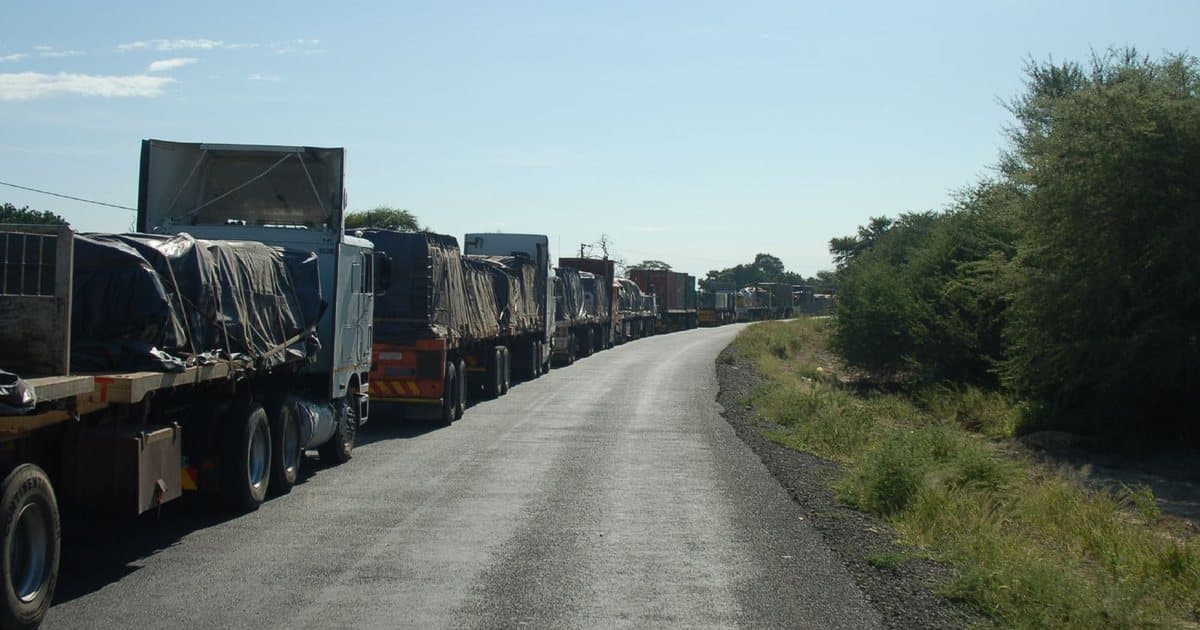
Waiting on the road. A 15 kilometre queue of trucks was recorded at the Moussala border post on 13 August 2026. A carrier who loses three days there will try to charge for them. That risk belongs in the contract, not on the invoice.
Escorts and crossing charges. Depending on the cargo and route, customs or security forces impose a paid escort. Borders and checkpoints add crossing charges, official or otherwise. The World Bank put informal payments at 6 percent of variable costs on the Bamako route, up to 10 percent on some trips.
Storage and port charges. Cargo left in port beyond the free days pays storage. The carrier has nothing to do with it, but if it advances the money to get the cargo out, it bills it back.
Devanning and container return. Emptying a container, loading the goods onto a flatbed, then taking the empty box back to the shipping line's depot: three operations, three prices. And every day the container comes back late costs detention.
Detours. When the usual road is closed or too risky, the truck goes another way. To Mali, many trucks switched in 2026 to the southern branch via Kédougou and Moussala. More kilometres, more diesel, more days.
Offloading. A truck stopped for overloading must transfer the excess to another vehicle. If the extra weight was loaded at your request, the second truck is on you. See half of Senegal's trucks run overloaded.
How to get them in writing before departure
Ask for what is included and what is not. A proper quote says "includes" and "excludes". A quote that gives a single figure leaves you to discover the rest.
Set a free waiting period, then a daily rate. For example, twenty four hours of waiting included at loading and at delivery, then a written amount per extra day. The carrier knows what it will earn, you know what you will pay, and both sides have a reason not to keep the other waiting.
Name the route, and say what happens if it changes. The quote states the planned route. A clause says how the price moves if a detour is imposed, and who decides.
Say who pays for escorts and port charges. They are the two most disputed items, because each side assumes the other included them.
Require a receipt for every extra. A storage receipt, a weighbridge ticket, an escort certificate. An extra with no document is not paid.
Agree the weight tolerance. The quote is built on a tonnage. If you load more, the price changes, and you should know how before loading.
The charges to refuse
Some charges have no basis. Waiting caused by the carrier itself, a truck arriving late or broken down, is not billable. An extra announced on the road, with no receipt, to "unblock" a situation nobody can explain, neither. And a carrier that threatens not to deliver until an extra is paid is in breach: the cargo was entrusted to it, and it answers for it under the OHADA road transport rules.
What we do
Our quotations list what is included and what is not, with a written free waiting period and a daily rate beyond it. The planned route is stated, along with the rule that applies if a detour is needed. Every extra is backed by a document. And because every truck is tracked, waiting time is observed rather than argued about.
Ask us for a detailed quotation: the difference from a single figure shows when the invoice arrives.
Read next: 4 to 7 million CFA francs for a truck to Bamako and the inland leg costs more than the ocean.
Sources: Senegal Press Agency, 13 August 2026 (15 km queue at Moussala); World Bank, Transport Prices and Costs in Africa, 2009 (share of informal payments in variable costs on the Bamako corridor); Senegalese Shippers' Council, statements reported in August 2026 (shift to the southern branch); OHADA Uniform Act on contracts for the carriage of goods by road, 2003 (carrier liability for goods entrusted); Digital Container Shipping Association (definition of detention).