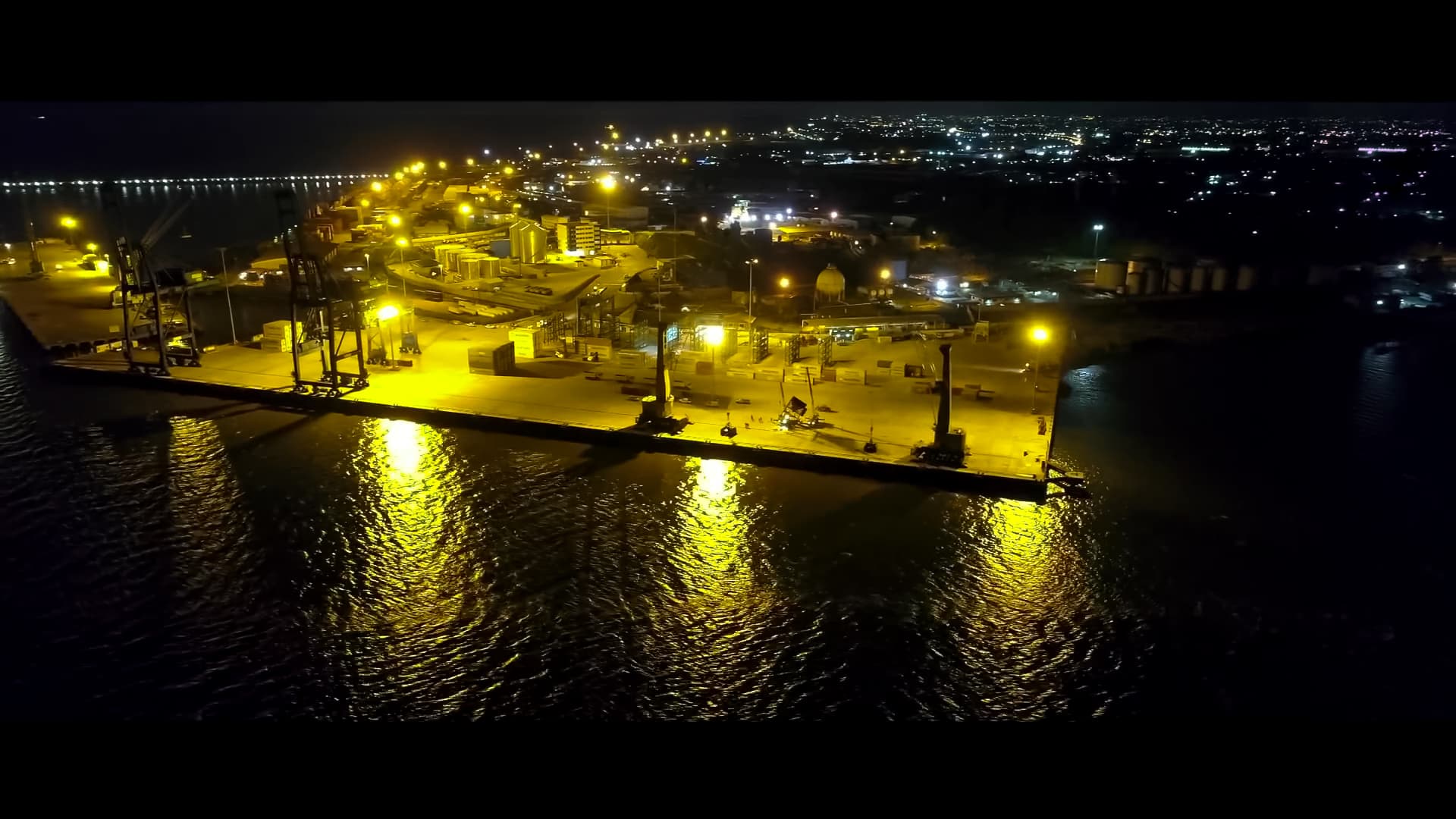
On 30 September 2026, several stations in Greater Libreville ran out of diesel. Pumps were dry, queues grew, and attendants could not say when product would return. Within ten days, Gabon went through a diesel shortage, then a petrol shortage, two emergency cargoes and a circular banning fuel sales in food containers. For an oil-producing country, it is a paradox. For a company running trucks, generators or a construction site, it is a warning.
Ten days of shortage, day by day
- 30 September. The first stations in Greater Libreville run out of diesel.
- 2 October. The petroleum ministry acknowledges a temporary supply strain. The remaining volumes held by SGEPP, the company that runs the depots, are released while a cargo is awaited, with temporary rationing.
- 4 October. The vessel Savanan, about 30,000 m³ of products, berths at Owendo around 4 am. Diesel gradually returns to the stations.
- 5 October. Now it is petrol that starts to run short.
- 6 October. A circular bans serving fuel in food containers, and more broadly in any container whose strength and safety are not guaranteed.
- 8 October. A tanker carrying 8,000 tonnes of petrol berths at Owendo. The first 4,000 tonnes, about 5.2 million litres, are expected to cover about six days of consumption, based on demand of 708,000 litres of petrol a day, according to SGEPP.
- 12 October. SGEPP's managing director, Yvon Tchicot, announces more ships on the way to avoid another shortage.
Why an oil-producing country runs out of fuel
Gabon produces crude but refines little. Its only refinery, Sogara in Port-Gentil, has a nameplate capacity of 1.2 million tonnes of crude a year, now estimated at about 0.86 million. In the first quarter of 2026, the country's refining activity fell 15.2% year on year, mainly for lack of crude to process, according to an economic note cited by Ecomatin, which adds that operators often prefer to export their crude, seen as more profitable.
The rest comes from abroad by sea. When a cargo is late, stocks run down fast: in 2025, SGEPP reported average cover of 16 days for white products at Owendo. And the state pays the difference between the purchase price and the pump price: 30 billion CFA francs of subsidies for September 2026 alone, according to Africa24.
On 8 October, the government set three priorities: modernise Sogara, strengthen strategic stocks, and launch studies for a new refinery. Two engineering contracts had already gone to Technip Energies in the first quarter, to expand the existing unit and add a hydrocracking complex. These are multi-year projects.
What a company can do now
- Know your cover. How many days can your site run on a full tank? If the answer is shorter than the national cover, every shortage stops you.
- Have two sources. One supplier means one point of failure. A second contract, even for a minority share of your volumes, keeps a door open.
- Receive by sea when volumes allow. For large consumers, delivery by vessel directly to Owendo or Port-Gentil, from 2,000 tonnes, bypasses the station queues.
- Check quality during crises. Shortages are when adulterated fuel circulates: an analysis certificate for every batch, and samples taken on delivery.
- Store properly. Makeshift containers are now banned at the pump, and dangerous on a site.
Ask for a delivered fuel price for Gabon on WhatsApp
Frequently asked questions
Why is there a fuel shortage in Gabon?
The country refines little: Sogara's refining activity fell 15.2% year on year in the first quarter of 2026, for lack of crude. The rest is imported by sea, and one late cargo is enough to empty the stocks, as at the end of September 2026.
How many days of fuel cover does Gabon have?
In 2025, SGEPP reported average cover of 16 days for white products at Owendo, and 35 days at Moanda. On 8 October 2026, the first half of an 8,000-tonne petrol cargo was expected to cover about six days of consumption.
Can you buy fuel in jerrycans in Gabon?
Since the circular of 6 October 2026, stations may no longer serve fuel in food containers or in any container whose safety is not guaranteed.
How can a company secure its fuel supply in Gabon?
By knowing its site's cover, having two suppliers, receiving by sea once volumes exceed a few thousand tonnes, and checking the quality of every batch.
What we do
GraceRoad delivers diesel and petrol by sea directly to Owendo or Port-Gentil, from 2,000 tonnes, with independent inspection at loading and an analysis certificate for every batch. The price is set for each order, on the international quotation for the product plus a stated premium, and the loading port is written into the contract.
Ask for a price on WhatsApp or see how we supply fuel.
Read also: fuel trading explained: nobody has the product, everybody finances it and fuel cargo hidden costs.
Sources: Gabonactu, 4 and 8 October 2026 (diesel returns, 8,000 tonnes of petrol, stations open); Gabon Media Time, October 2026 (six days of cover, 708,000 litres a day, SGEPP statements); Gabonreview and Info241, October 2026 (food container circular); L'Union, October 2026 (shortage in Greater Libreville); Direct Infos Gabon, October 2026 (SGEPP safety stocks); Ecomatin, 2026 (15.2% fall in refining, Sogara capacity, Technip Energies contracts); Africa24, October 2026 (30 billion CFA francs of subsidies in September).