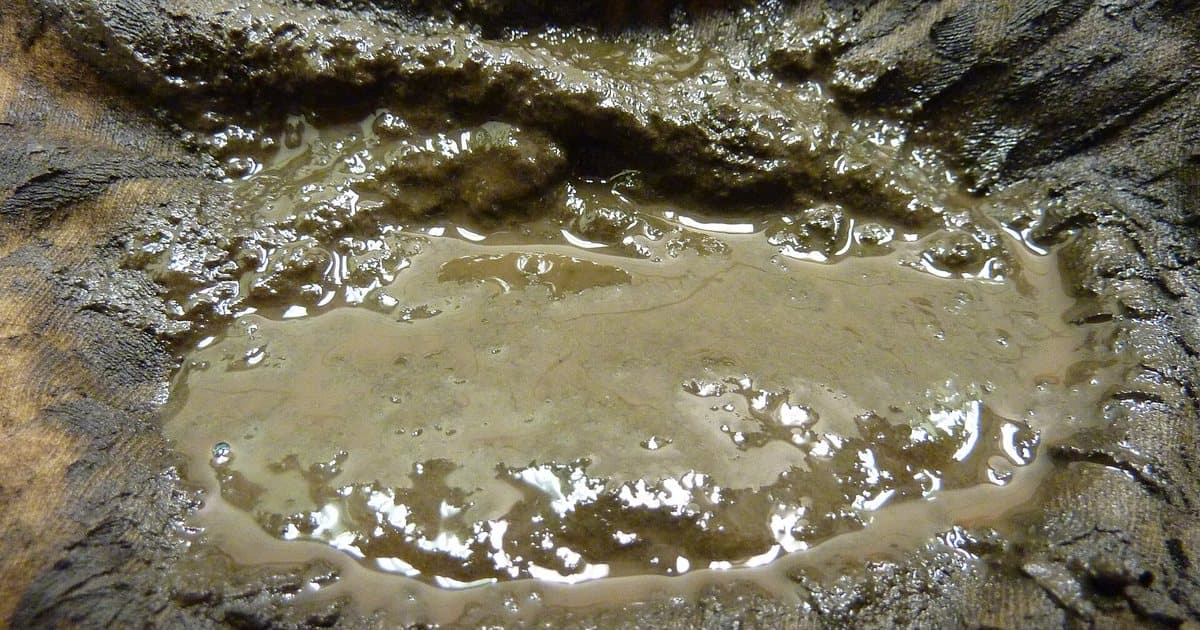
Adulterated fuel is fuel whose composition has been altered for profit: cut with a cheaper product, stretched with water, or blended with something that does not belong there. It looks like the real thing, often sells slightly cheaper, and is paid for later, at the workshop.
Here is why it turns up, the signs that should raise a flag, and the procedure that actually protects a buyer.
What you find in adulterated fuel
A cheaper or lower taxed product. The principle never changes: replace part of the diesel or petrol with a liquid that costs less, and sell the whole at the price of the pure product.
Water. It gets in through fraud, but also through neglect: badly maintained tanks, condensation, poorly closed compartments. At the bottom of a tank it also feeds microbial growth that clogs filters.
An off spec component. In February 2022 Nigeria had to withdraw imported petrol containing excessive methanol. Vehicles had been damaged; NNPC quarantined the cargoes, intercepted trucks that had already left the depots and inspected filling stations, and two ships loaded in Antwerp were turned back.
Sulphur. Diesel can be unadulterated and still off spec: too much sulphur against the 50 ppm required by ECOWAS. We explain this in our article on 50 ppm diesel.
Why it turns up in West Africa
Price gaps. Between two products, two countries, or the official and black markets, every gap creates temptation. During shortages, as in Mali in 2025 and 2026, roadside fuel replaces station fuel, with no checks at all.
Long chains. Between depot and site a road tanker can travel for days. Every stop is an opportunity to draw off product and make up the volume with something else.
Uneven enforcement. Where the regulator checks, fraud retreats. In Ghana the National Petroleum Authority introduced chemical marking of products at depot loading in 2013, then tracking of road tankers. The share of filling stations failing quality tests fell from 32 percent in 2013 to 2.51 percent in August 2021.
Warning signs
Before buying:
- a price well below the market, with no explanation;
- no certificate of analysis, or a certificate that does not match the batch (date, number, depot);
- a supplier who refuses a joint sample.
On delivery:
- a cloudy look, or water visible at the bottom of a sample left to settle in a clear container;
- an unusual colour or smell compared with previous deliveries;
- tank seals missing, broken, or with numbers that do not match the loading note;
- a delivered volume that does not match the loaded volume once both are corrected to the same temperature.
In the engine:
- filters clogging quickly;
- loss of power, rough idle, abnormal smoke;
- premature injector wear.
Note that density alone will not reveal diluted diesel, because some lighter products have similar densities. An abnormally low flash point, however, is a strong sign of blending with a more volatile product. That is why you need a laboratory test, not a glance.
The procedure that protects you
1. A contract that fixes the specification. Sulphur, density, flash point, cetane, water content: in writing, with the test method and the reference laboratory for disputes.
2. A certificate of analysis per batch. It describes the product leaving the depot and must carry the batch number you will find on the loading note.
3. Numbered seals. Each tank compartment is sealed at loading; the numbers appear on the delivery note and are checked on arrival, before any discharge.
4. Truck tracking. A GPS tracked truck that stops for two hours somewhere unplanned should prompt a question.
5. Joint samples. On delivery, three sealed samples: one for you, one for the supplier, one kept for arbitration.
6. Dipping before and after. The tank is measured before and after discharge, and the volume is corrected to 15 °C for comparison with the loaded volume.
Our reading
Adulterated fuel is not inevitable. Ghana has shown it: when products are marked, trucks are tracked and stations are tested, fraud becomes the exception. For a company the same logic applies on a small scale: a serious supplier fears neither the certificate, nor the seals, nor the joint sample. One who refuses them has already answered the question.
Frequently asked questions
What is adulterated diesel?
Diesel whose composition has been altered for fraudulent gain: cut with a cheaper product, stretched with water or blended with an off spec component, then sold as pure.
How can I tell if my diesel is adulterated?
Through a laboratory test against the contract specification. Warning signs include an abnormally low price, no certificate, broken seals, water at the bottom of a sample, clogging filters or loss of power.
What damage does adulterated diesel do to an engine?
Clogged filters, worn or failed injectors, loss of power, abnormal smoke. On modern engines it can also damage emission control systems.
How do you protect a bulk fuel purchase?
With a written specification in the contract, a certificate of analysis per batch, numbered seals on the tanker, a tracked truck, joint samples on delivery and tank dipping before and after discharge.
What we do
GraceRoad delivers fuel with a certificate of analysis for every batch, sealed tankers and GPS tracked trucks, and can arrange independent testing on delivery. Send us your specification and delivery point.
Read next: 50 ppm diesel and the ECOWAS standard and kpayo, Benin's informal fuel trade.
Sources: Arise News, 15 February 2022 (NNPC withdrawal of methanol blended petrol, measures taken) and February 2022 (ships turned back); Ghana News Agency, August 2021 (failure rate of 32 percent in 2013 and 2.51 percent in 2021, product marking and road tanker tracking by the National Petroleum Authority); Fuelbuddy, diesel quality testing guide (limits of density testing, flash point, water); European standard EN 590 (diesel parameters).