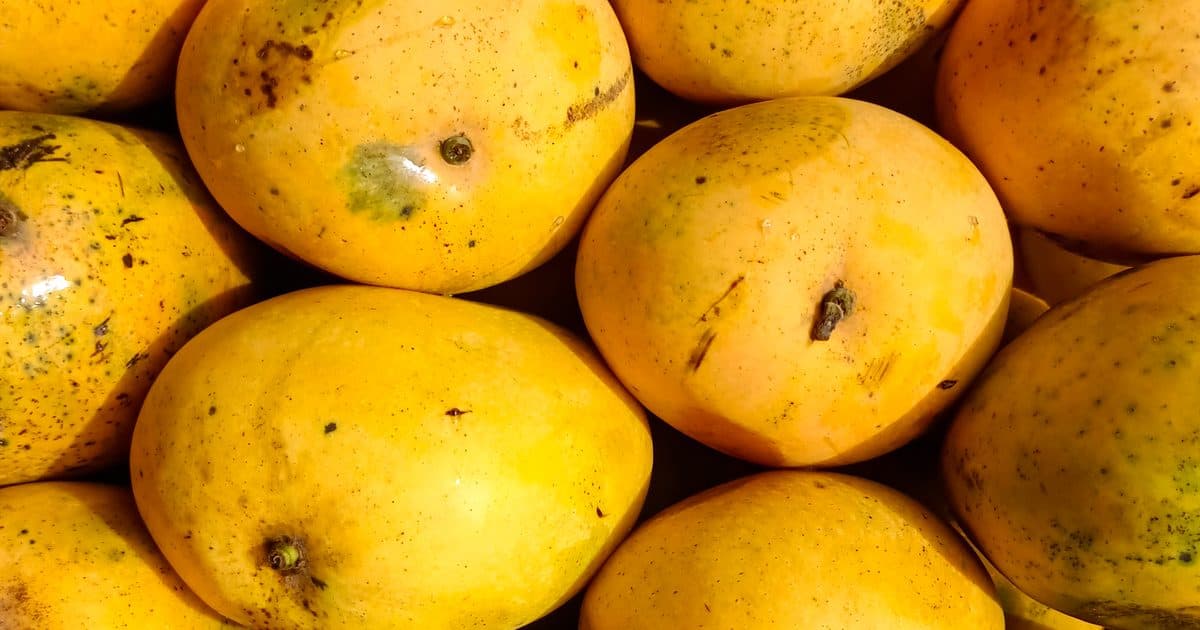
Ecuador is 9,000 kilometres from Tunis. Abidjan is about 4,000, four days of sailing along the same coast. Tunisian importers buy the Ecuadorian fruit, and the Egyptian fruit, and Côte d'Ivoire ships its 271,000 tonnes north to Europe instead.
Every explanation offered for this is partly true and none of them is the reason.
The usual explanations, and what they are worth
Tariffs. Tunisia applies a 100 percent duty on bananas and licenses the imports. That is real, and it is the kind of policy that moves when a trade delegation arrives with volume and a price. It did not stop Egypt, which supplies Tunisia in quantity.
Quality. Ivorian bananas are sold into the European market, which is among the most demanding in the world for fruit. The quality exists when the chain exists.
Distance. Ecuador is more than twice as far.
Payment. This was a genuine obstacle for years, and it is the one that has actually changed. The Pan African Payment and Settlement System is now in force, and is expected to cut foreign exchange costs on intra-African transactions by 20 to 30 percent.
What is left, once those four are set aside, is that nobody has built the service. No scheduled reefer route, no aggregator on the Ivorian side, no importer relationship on the Tunisian side, no operator who answers for the box from the plantation to the wholesale market.
The size of the gap
Intra-African trade runs at roughly 16 percent of the continent's exports, forecast at around 230 billion dollars in 2026 against 210 billion in 2025. Manufacturing and agri food are expected to make up close to half of those flows, which is a change from a continent that mostly shipped raw commodities to other continents.
Five years after the African Continental Free Trade Area came into force, tariff schedules cover a portion of member states rather than all of them. The framework exists and the traffic has not yet followed.
That is the honest picture: the legal work is largely done, the payment plumbing has been built, and the commercial work has not started.
What the commercial work actually is
It is unglamorous, and it is why it is not done.
Find the buyer. A wholesaler in Tunis, Casablanca or Algiers who already imports the product and will say what volume, what calibre, what packing and what price he needs.
Aggregate the supply. Twenty growers around Azaguié do not make an export programme. A pack house that consolidates them, grades and certifies does.
Fix a schedule. The same departure every fortnight for a year. Buyers organise their shelves around reliability, not around opportunities.
Solve the documents once. Phytosanitary certificate, certificate of origin under the right regime, insurance, and the import licence on the destination side. Solve it once and it is a template.
Price the whole chain honestly. Farm gate, pack house, inland haulage, port, ocean, destination clearance, delivery. Then compare with the landed price of the Ecuadorian fruit. If the number does not work, say so and stop. If it works, you have a business that did not exist.
Why this matters beyond fruit
The same structure explains why Nigeria imports tomato paste it could make, why Senegal imports onions it grows, and why a Malian buyer sources cement from outside the region. Trade between neighbours requires somebody to organise a route. Trade with a distant supplier requires only an email, because that supplier has already organised his.
Distant suppliers are not winning on cost. They are winning on organisation, and organisation is the cheapest thing on this list to acquire.
What we do
GraceCorp sources commodities in West Africa and moves them, including on regional routes that are not yet regular services. We check the supplier, verify the goods before payment, organise the transport and handle the documents, and we tell a buyer when a flow does not work rather than shipping a problem.
If you buy fruit, vegetables, cereals or building materials and you want to know what a West African origin really lands at, send us the product, the volume and the destination. You will get a costed answer in one working day.
Read next
Sourcing commodities from Africa, and the bananas that rot while another market runs out.