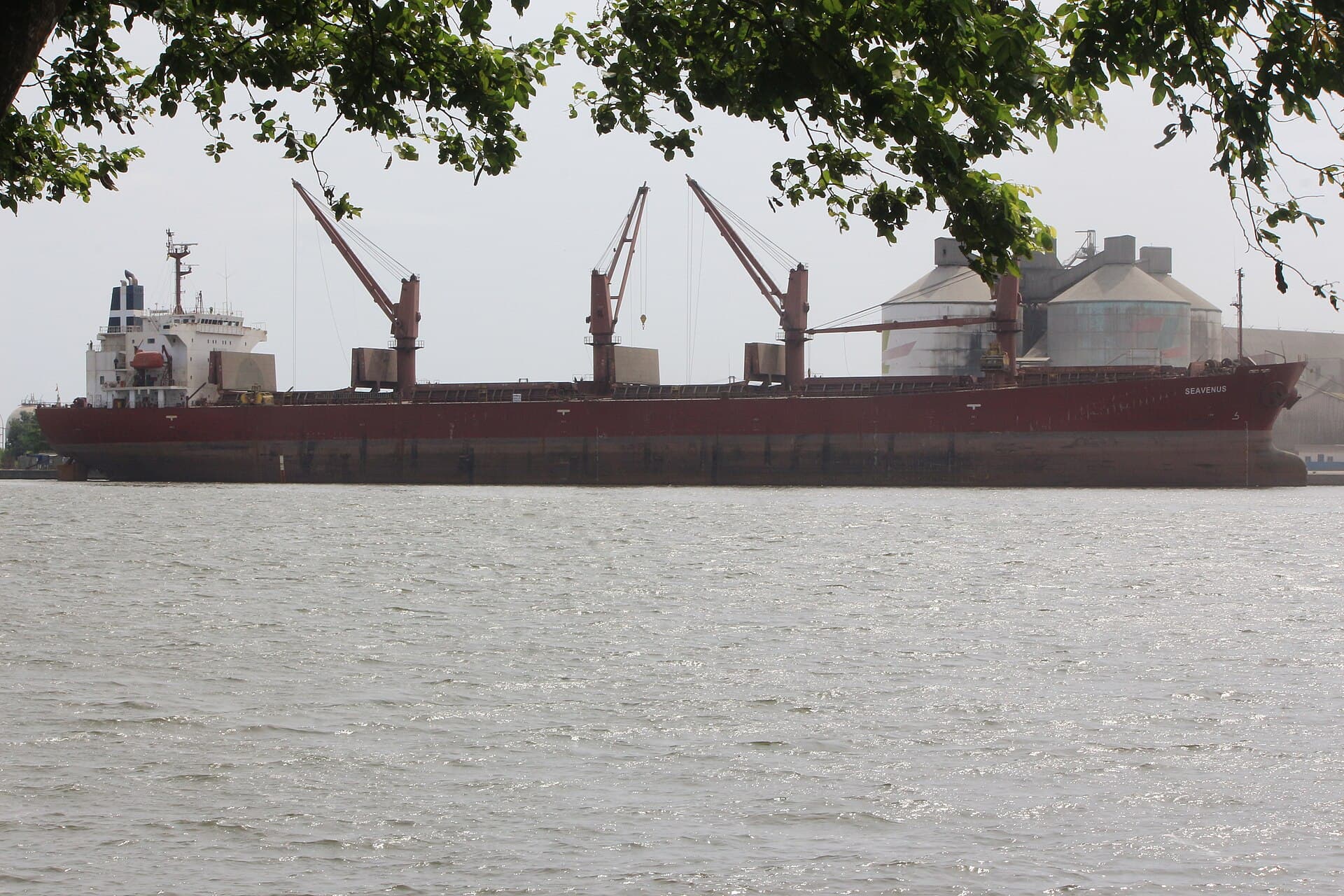
On 31 May 2019, a fire ravaged the SONARA refinery in Limbe. More than seven years later, Cameroon still has no working refinery. Most of the diesel, petrol and fuel oil sold in the country arrives by sea, bought on international markets and paid for in foreign currency. In the first quarter of 2026, the bill reached 274.3 billion CFA francs.
For a Cameroonian industrial company, a cement plant, a plantation, a mine or a trucking firm, that dependence has a cost, and risks. Here is how the country buys its fuel, when the refinery might restart, and how to secure your own supply in the meantime.
A country that imports most of its fuel
According to the Minister of Water and Energy, Cameroon imported nearly 1.8 million tonnes of finished petroleum products between January and October 2025. In the first quarter of 2026, hydrocarbon purchases on international markets cost 274.3 billion CFA francs, against 267.7 billion a year earlier, a rise of 2.5%, according to Investir au Cameroun.
Who buys: CSPH and the traders
Faced with the price surge linked to the war in the Middle East, the authorities revived a supply mechanism run by the hydrocarbon price stabilisation fund, CSPH, which awards imports to international traders quarter by quarter. For the second quarter of 2026, three were selected: Mocoh, Vitol and Cleveland Overseas.
Financing follows the same path as everywhere in trading: SONARA obtained a facility of up to 126.5 billion CFA francs from ITFC, the trade finance arm of the Islamic Development Bank group, to import petroleum products.
Will SONARA restart in 2027?
That is the official target. In August 2025, SONARA's board adopted a 24-month plan, called PARRAS 24, to resume refining. The Prime Minister set the goal of full restoration by the end of 2027. In May 2026, a consortium of four Cameroonian insurers led by SanlamAllianz was selected to cover the works, and the award of the public-private partnership for the rebuild was expected in the second half of 2026.
But the timetable is disputed. Cost estimates vary between sources, from 30 to 115 billion CFA francs. According to a study cited by News du Cameroun, only about 75% of the installations can be recovered, and an internal source quoted in the press estimates that the refinery could not run for another three years. The financing has not been secured.
For an industrial buyer, the conclusion is a cautious one: organise your supply as if imports will last beyond 2027.
What it means for an industrial buyer
Relying on imports exposes you to three risks: a late cargo, rising world prices, and pressure on foreign currency. In June 2026, Cimencam's new cement plant in Figuil, 500,000 tonnes a year, even had to stop for lack of electricity, a reminder that energy has become a continuity issue for the country's industry.
- Secure on-site cover. A tank sized for several weeks protects production from a late ship.
- Diversify suppliers. A local distributor for day-to-day needs, and a second source for large volumes.
- Receive by sea when volumes allow. For large consumers, delivery by vessel directly to Douala or Kribi, from 2,000 tonnes, with independent inspection at loading.
- Pay against documents. Letter of credit or advance against a signed contract, and an analysis certificate for every batch.
Ask for a delivered fuel price for Cameroon on WhatsApp
Frequently asked questions
Why does Cameroon import its fuel?
Because its only refinery, SONARA in Limbe, has been shut since the fire of 31 May 2019. The country imported nearly 1.8 million tonnes of finished products between January and October 2025.
When will SONARA restart?
The official target is full restoration by the end of 2027, under the PARRAS 24 plan adopted in August 2025. The timetable is disputed: only about 75% of the installations may be recoverable, and the financing is not secured.
Who imports fuel into Cameroon?
CSPH runs imports and awards them to international traders quarter by quarter. For the second quarter of 2026: Mocoh, Vitol and Cleveland Overseas.
How much does Cameroon spend on fuel imports?
274.3 billion CFA francs in the first quarter of 2026, against 267.7 billion a year earlier.
What we do
GraceRoad delivers diesel, petrol and fuel oil by sea directly to Douala or Kribi, from 2,000 tonnes, with independent inspection at loading and an analysis certificate for every batch. The price is set for each order, on the international quotation for the product plus a stated premium, and the loading port is written into the contract.
Ask for a price on WhatsApp or see how we supply fuel.
Read also: fuel trading explained: nobody has the product, everybody finances it and letters of credit in West Africa.
Sources: Investir au Cameroun, 2026 (274.3 billion CFA francs of imports in the first quarter of 2026; traders selected for the second quarter; SONARA's two-year plan); Business in Cameroon and African Energy Council (restart target by 2027); Droit dans ses bottes (1.8 million tonnes imported in ten months, per the Minister of Water and Energy); L'Économie (ITFC facility of up to 126.5 billion CFA francs; insurers' consortium led by SanlamAllianz); News du Cameroun (75% of installations recoverable); Actucameroun, August 2025 (financing obstacles); Koaci, 11 June 2026 (Figuil cement plant shutdown).