Buying in West Africa from Tokyo, Kollam or Milan is first of all a matter of method. The simplest way to show it is to follow three files, from the first message to loading.
The three companies described here are worked cases: we built them to explain the process. The rules, official prices and steps are real and can be checked.
Worked case 1: the Japanese roaster with nobody on the ground
The situation. A Japanese roasting house buys its robusta in Asia and wants a second origin. Japan is one of the world's largest coffee markets, and robusta is growing there. It has no contact in West Africa and no intention of sending a team.
The mandate. It gives us a sourcing mandate: a short document that fixes the product, expected quality, quantity, a ceiling price, the period during which we search on its behalf, and our remuneration. Without a mandate there is no serious search: a supplier does not reserve goods for a buyer that does not exist on paper.
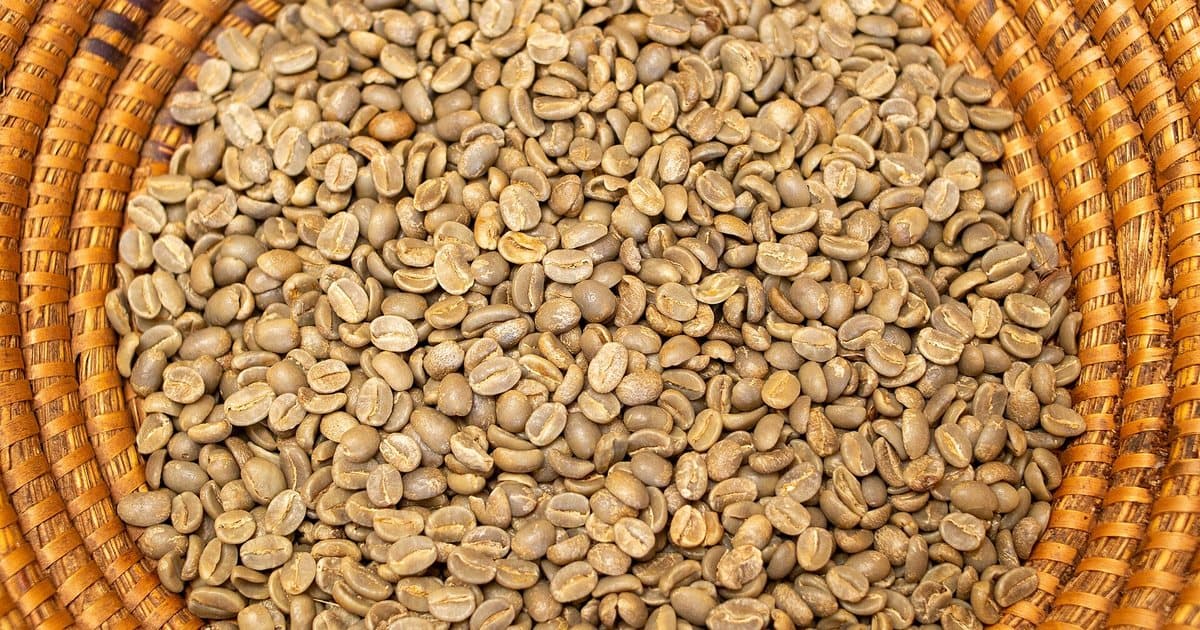
The search. Côte d'Ivoire is a natural origin for robusta. The sector is regulated by the Coffee and Cocoa Council, which guarantees growers a minimum price: 1,300 CFA francs a kilo for the 2026-2027 season, announced on 1 September 2026, against 1,700 the previous season. That price applies to coffee that is "well dried, hulled and well sorted". It is the starting point of any calculation: below it, an offer is not credible.
Sample and analysis. Before any firm price, samples go to Tokyo for cupping. And because Japan applies a very strict positive list for pesticide residues, with a default limit of 0.01 ppm for substances without their own threshold, the lot is tested by an accredited laboratory before purchase. One container rejected in Yokohama costs more than ten analyses.
Purchase and haulage. The purchase is made from an operator authorised to export. Our hauliers move the coffee from the growing area to the port of Abidjan or San Pedro in tracked trucks. The lot is inspected at stuffing: weight, moisture, bag count, container seals.
Documents and payment. Certificate of origin, phytosanitary certificate, packing list, invoice, bill of lading. Payment is by letter of credit: the roaster's bank pays against these documents, if compliant.
What the case shows. A buyer with nobody on the ground is not buying a product, it is buying an organisation: someone who knows the reference price, knows who is entitled to export, checks before paying and follows the truck.
Worked case 2: the Indian processor with leads, and afraid to pay
The situation. An Indian cashew processor has found a seller online offering raw nuts "of Benin origin" below the market price, against a 50 percent deposit by bank transfer. It hesitates, and it is right to.
The check. Two signals are enough. First, Benin has banned exports of raw cashew nuts since 1 April 2024: the offer as worded cannot be legal. Second, a below market price with a deposit by transfer is the classic pattern of a total loss.
The solution. Raw nuts are bought in Côte d'Ivoire, where the minimum farmgate price is 400 CFA francs a kilo for the 2026 season, or in Guinea-Bissau. We identify verified sellers, and an independent inspector runs a cutting test on the actual lot. That test sets the kernel outturn, the KOR, expressed in pounds of kernels per 80 kilo bag, along with moisture and defect rate. The price is negotiated on that outturn, not on a promise.
Payment. No more blind deposits. A sight letter of credit, payable against shipping documents and the inspection report. A serious seller accepts it; one who refuses any bank eliminates himself.
Haulage. The nuts travel in jute bags, by truck, to the port. The season opens in February: early season nuts are the driest, and a truck delayed in the rain can degrade a good lot. The calendar and transport tracking are part of quality.
What the case shows. Having a lead is not having a supplier. The buyer's fear was a sound instinct: what it lacked was a way to verify, and a payment method that did not require trust.
Worked case 3: the European manufacturer that wants timber, legally
The situation. A European furniture maker is looking for tropical hardwood. A broker offers West African "rosewood", available immediately.
The refusal. West African rosewood, or kosso (Pterocarpus erinaceus), is protected under the CITES convention, which in June 2022 recommended suspending trade in it from several countries of the region after a decade of massive logging. Buying that wood means exposure to seizure and prosecution. Good sourcing sometimes starts with saying no.
The alternative. In 2025 Ghana became the first African country to issue FLEGT licences, which certify the legality of timber exported to the European Union. The first certificates were handed over in August 2025 and licensed exports began on 8 October 2025. For a European buyer it is the safest route: the legality of the wood is documented at source by the forestry administration.
The process. Species, dimensions, volume and grade go into the mandate. We check the supplier's harvesting rights, the lot is graded and measured by an inspector, the licence is issued, and the timber is hauled to the port of Tema or Takoradi and containerised.
What the case shows. In timber as elsewhere, the product that is easiest to find is rarely the one you can buy. Sourcing is as much about ruling out as about finding.
The method, in eight steps
- The need. Product, specification, quantity, destination, deadline.
- The mandate. What we are looking for, for how long, at what ceiling price.
- Search and verification. The supplier's legal existence, right to export, references, the country's rules.
- Sample and analysis. Cupping, cutting test, laboratory, depending on the product.
- The firm offer. A delivered price, with the Incoterm, quality and schedule.
- Contract and payment. Letter of credit preferably, never a deposit without security.
- Purchase, inspection and transport. Checks on the actual lot, tracked trucks to port, stuffing under seal.
- Documents and loading. Certificates, bill of lading, tracking to arrival, and duty paid delivery if the customer wants it.
Our reading
Sourcing in Africa almost never fails because the product is missing. It fails because nobody, between the buyer and the field, takes responsibility for verifying, checking and delivering. That is the link we want to hold: not the intermediary who introduces a seller and waits for a commission, but the operator that answers for the goods as far as the ship.
Frequently asked questions
What is a sourcing mandate?
A document by which a buyer instructs an operator to find and buy a product on its behalf. It fixes the product, quality, quantity, a ceiling price, a period and the remuneration.
How long does sourcing in West Africa take?
It depends on the product and the season: allow for the search and samples, the contract, payment, collection, transport to port and the sea voyage. Agricultural products are bought during their season.
How do you pay an African supplier safely?
By letter of credit, payable against shipping documents and an independent inspection report. Never by deposit to an unverified seller.
Can you legally buy timber in West Africa?
Yes, provided its legality is documented. Since 2025 Ghana has issued FLEGT licences for timber exported to the European Union. West African rosewood, by contrast, is subject to a trade suspension recommended by CITES.
What we do
GraceRoad searches, verifies, buys and hauls on your behalf: coffee, cashew, sesame, shea, cotton, legal timber and other West African products, to the port or to your door. Tell us the product, quality, quantity and destination: we answer with a study, not a catalogue.
Read next: raw cashew nuts price in 2026 and LC, SBLC, cash and carry: payment terms.
Sources: Côte d'Ivoire Coffee and Cocoa Council and Ivorian press (guaranteed coffee price of 1,300 CFA francs a kilo for 2026-2027, announced 1 September 2026, against 1,700; quality conditions); Uganda Ministry of Agriculture, September 2025 (Japan's place in the world coffee market, growth of robusta); Japan Ministry of Health, positive list system for agricultural chemical residues (uniform limit of 0.01 ppm); Bénin Web TV (ban on raw cashew exports since 1 April 2024); Agence Ecofin, 9 February 2026 (minimum cashew price in Côte d'Ivoire); CITES Secretariat, June 2022 notification on Pterocarpus erinaceus; Graphic Online and The Business and Financial Times, 2025 (Ghana FLEGT licences, first certificates in August 2025, exports from 8 October 2025).