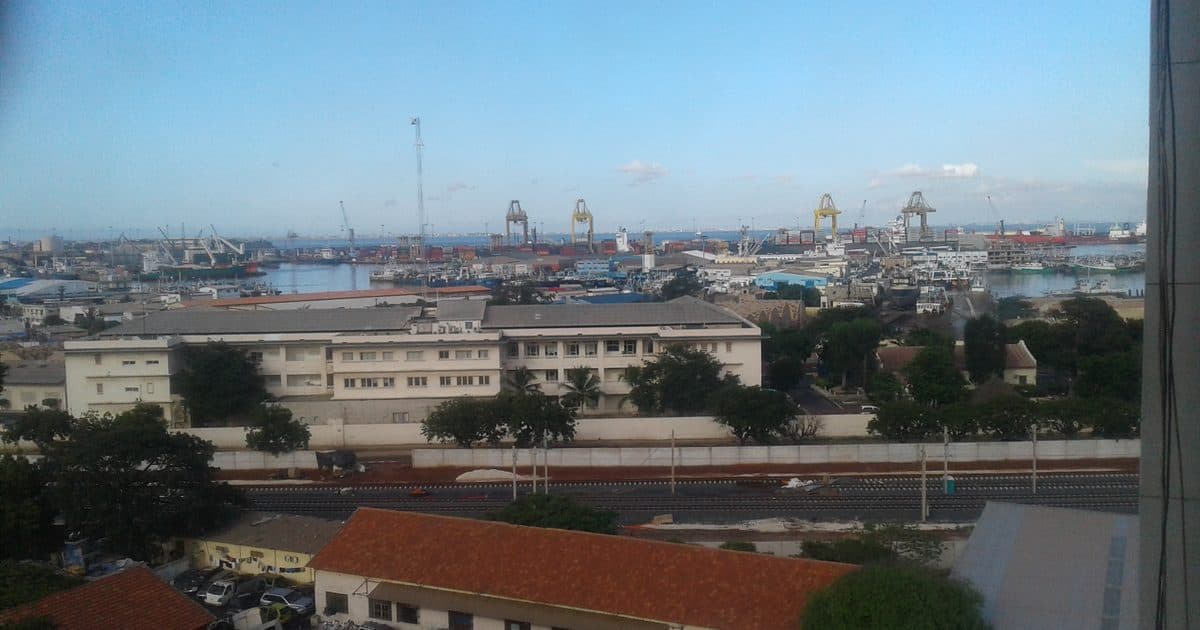
Ask anyone in Dakar, Bamako or Abidjan why a cold chain, a dry port or a processing unit has not been built, and the answer arrives before the question is finished: there is no financing.
Then look at what has actually been signed. BADEA's commitments to Senegal reached around 700 million dollars across 95 operations, with 28 of them in infrastructure. The International Islamic Trade Finance Corporation signed a five year framework with Senegal worth two billion euros in May 2025, and disbursed under it again in February 2026 through a local bank. The African Development Bank lent 63.6 million euros for one agro processing project and nearly 87 million for an agropole in the north. Senegal launched an agro industrial zone costed at 191.7 million dollars. Afreximbank is building trade and distribution platforms whose stated purpose is to aggregate small producers and organise warehousing and logistics around them.
That is a lot of money for a region that supposedly has none. What these institutions are short of is not capital. It is files they can approve.
What a credit committee is actually reading
A development bank, an African trade bank and a commercial lender in Dakar read the same document for the same four things. Where does the cash come from. What happens if it does not arrive. Who operates the asset. And what does the borrower lose if it fails.
Most requests answer none of them. They describe a need, a social benefit and a total amount, and they stop. A need is not a project.
The seven parts
1. The flow, measured. Not the potential of the sector, the tonnes that moved last year and the month they moved in. Where they came from, who bought them, at what price, and what was lost on the way. If you cannot show the loss you are trying to remove, you are asking for a subsidy, not an investment.
2. The offtake. A signed commitment from a buyer, with volume, quality and a price formula. One creditworthy buyer is worth more than ten letters of intent from the sector. This is the single item that most often decides the file.
3. The asset and its sizing. Cold rooms in cubic metres, a yard in square metres, trucks in units. Sized for the harvest peak or the import season, not for an annual average that never occurs.
4. The operator. A named company, with accounts, references and people who have run this before. Banks do not finance equipment, they finance an operation. A project that expects to recruit an operator after the disbursement will not be approved.
5. The tariff. What the user pays per tonne, per pallet, per day of storage, and how that price compares with what the market pays today. If the service saves 40 dollars a tonne and costs 15, the file writes itself.
6. The security package. Equity in the project, an insurance policy, a guarantee, and a mechanism where the money follows the cargo rather than the promise. Warehouse receipt structures, escrowed collections, offtake assignments. These are ordinary instruments and they exist in our banks.
7. The permits and the land. Title or a long lease, customs status of the site, environmental clearance. A file without land is a plan, not a project.
Why so few are written
Because assembling those seven parts takes eighteen months of unpaid work, and because the people who could do it are busy running their businesses day to day.
It also takes a habit our market has not developed: measuring. Very few operators can say how many tonnes they lost last season, how many hours a truck waited, what a rejection cost them. Without those numbers there is no file, and without a file the money stays in Cairo, Jeddah, Abidjan or Abuja, waiting.
The proof that capital follows structure
In December 2025 a vessel left the new port of Morebaya in Guinea carrying 200,000 tonnes of iron ore, at the end of a programme costing more than 20 billion dollars that included a 650 kilometre railway and a deep water port.
That project was not financed because Guinea is rich or because lenders were feeling generous. It was financed because it arrived with a resource, an offtake, an operator, a tariff and a structure. Twenty billion dollars crossed the world for a file that answered the four questions.
A dry port at Tambacounda or a cold chain for onions in the Niayes needs a fraction of a percent of that, and can be repaid by losses that are already being paid for today, invisibly, by farmers and importers.
What we do
GraceCorp works on the operating side of these files: the routes, the timings, the real cost per tonne, the loss points, the document flows. That is the part of a business plan that is usually invented, and the part a credit committee tests first.
If you are building a project on a West African corridor, send us the flow you intend to move. We will give you the operating section of your file with numbers that stand up: transit times, costs, seasonality, and what breaks.
Read next
The bananas that rot while another market runs out, and securing payment between Africa and abroad.